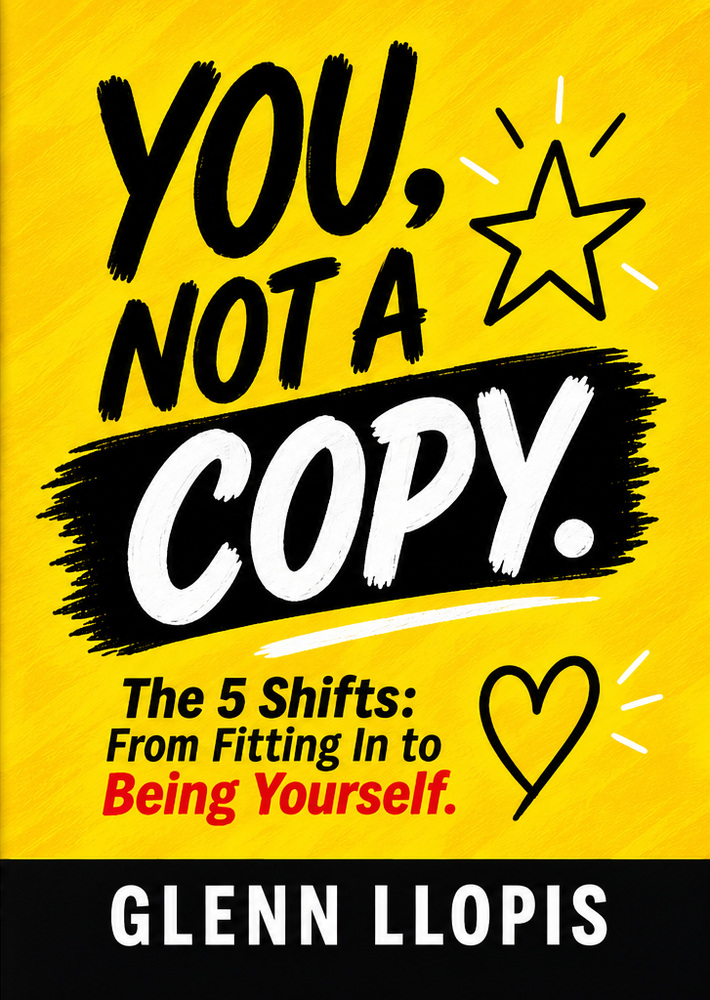
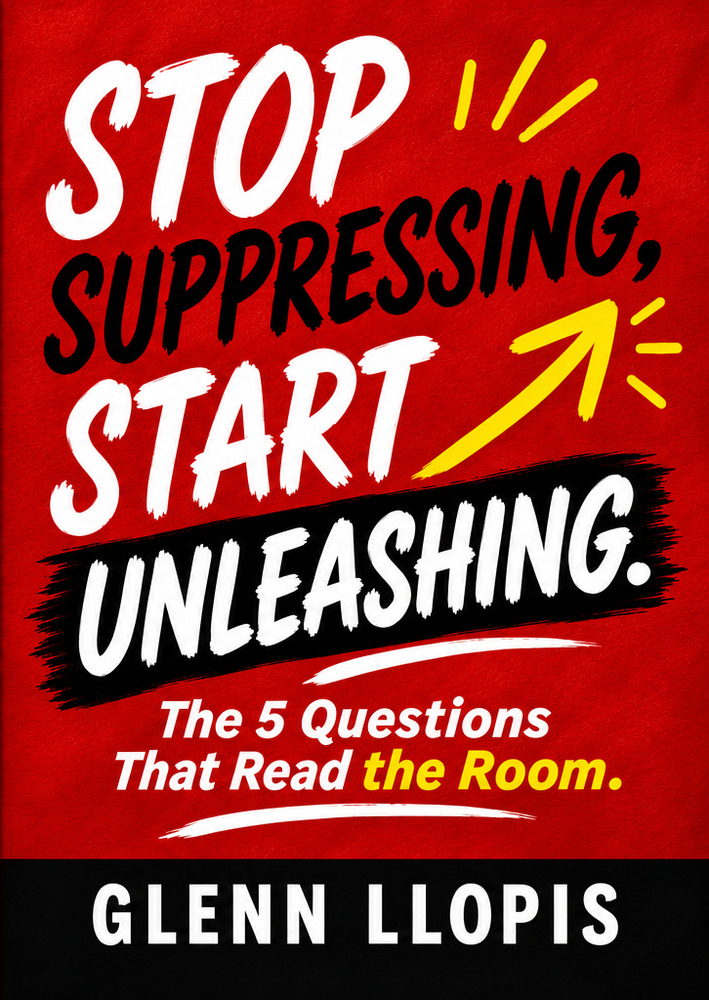
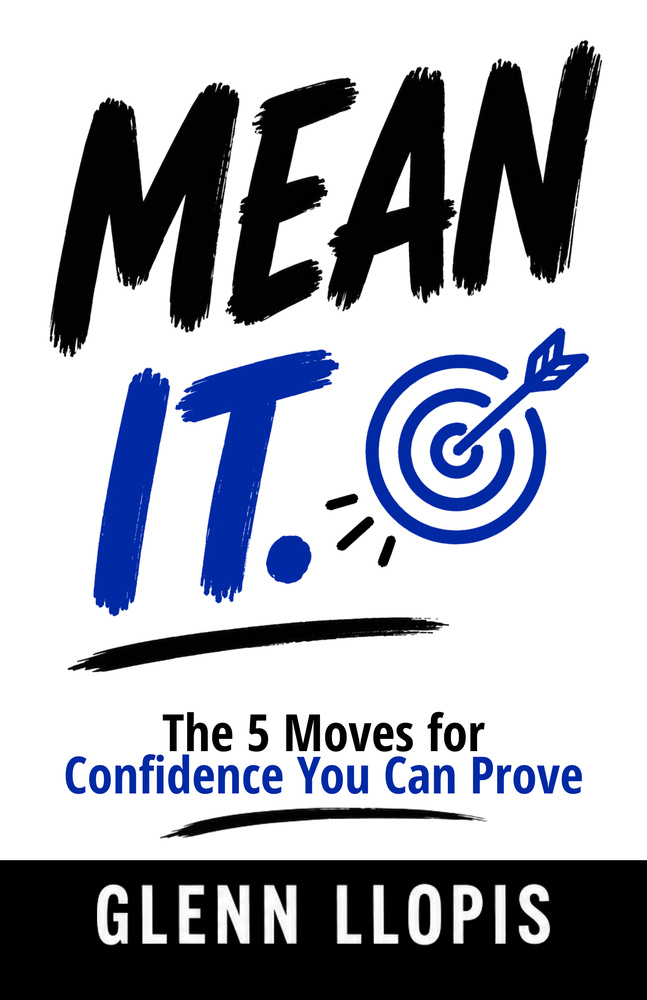
Teens UnEdited builds agency, confidence and a clear sense of self, one chapter at a time. Every chapter runs the way good teaching already does: a real school scenario, what to do, then one small step students take on their own. It's offered as an invitation, never an assignment, and it starts with parents. It comes as an in-person classroom curriculum (launching Q1 2027), an online training center (Act One in January 2027; Acts Two and Three follow in 2027) and six books, with a parent guide for each act.
Middle & high school, advisory, counseling, and faith-based settings
Students opt in through a club, advisory or class choice
Families see the books and tools before any student does
Long before anyone notices, a lot of students quietly start editing themselves down to fit the room. A classroom is one of five rooms a student moves through every day, along with home, friends, online and their own head. It reads like growing up. The research says otherwise: authenticity drops sharply as teens become young adults, and the strongest protective factor across every measure isn't a filter or an app.
That's exactly what a classroom can build. Teens UnEdited gives you a structured, standards-aligned way to build it, and, unlike most SEL content, a clean way to measure whether it worked.

The largest meta-analyses of school-based SEL come from Durlak and colleagues (2011) and the updated Cipriano and colleagues review (2023). Together, covering hundreds of programs and hundreds of thousands of students, they find well-run SEL produces roughly an 11-percentile-point gain in academic achievement, alongside improvements in behavior and wellbeing.
Teens UnEdited puts a measurable, identity-first program on top of that foundation. Sources for the classroom-facing research live on The Evidence, each tied to a named primary study.
percentile-point gain in academic achievement from well-run SEL programs
Durlak et al., 2011 · Cipriano et al., 2023
It's also the age when AI is moving into their schoolwork. Teens UnEdited gives a classroom structured ways to practice saying what you think in your own words, with peers who answer back.
1 hour
A single belonging exercise narrowed gaps with effects lasting years.
Walton and Cohen, Science, 2011
64%
of teens use AI chatbots, and more than half of them for schoolwork.
Pew Research Center, February 2026
When students use AI, they bring their own attempt and ask for feedback on it, not for the answer.
Keep a space where thinking out loud isn't graded, so students can admit what they don't know yet.
A short reflection on how each student learns, before you teach them a tool.
See the research on belonging and the move into high school →
A complete SEL arc for ages 13–18, from agency (making your own breaks) to conviction (meaning what you say).
A private, three-minute check-in that doubles as your pre/post measurement instrument. Maps to all five CASEL competencies.
The Record + Signature: one workbook a student keeps across all six books, so the growth is visible and portfolio-ready.
Four 60-minute online sessions built on the first four books, a low-lift way to try it before you commit to a full unit.
Scope, sequence, and facilitation notes so any teacher or counselor can run it.
Not a sales funnel. Just a short call to scope a pilot for your classroom, school, or district.
Book a call →Some educator materials are still in development ahead of launch. On the call, we'll show you exactly what's ready now.
CASEL competencies covered across the series, with the Index as your built-in pre/post measure
the academic-achievement gain the largest SEL meta-analyses attribute to well-run programs (Durlak et al., 2011)
the Leadership in the Age of Personalization® methodology behind the series, already tested with leaders in Fortune 500s, hospitals, and universities
every claim in The Evidence traces to a named source: CDC, SAMHSA, Pew, Gallup, and peer-reviewed reviews
keep reading
Short reads on what school teaches about speaking up, whether anyone means it to or not.
Ask Whether the Room Is Shrinking Them

We Built a Machine for Producing Admissible Teenagers
Students Think They're Struggling Alone. The Script Says They Should Be Thriving.
A short, no-pitch call to map a pilot for your classroom, school, or district, and see the materials that are ready now. Pick a time below.
Bring your team to the Teens UnEdited Summit, planned for September 2027, where educators, administrators, employers and policymakers meet.
Calendar not loading? Book a call here →
How we keep teens safe: Safety and Safeguarding →
Bringing this to a whole community? See how it works →