A teenager is still a first draft, so they get to claim an identity that has not eroded yet. An adult is a later draft, already edited by jobs and roles and expectations, so they have to reclaim a self they slowly gave away.
Same self, same method, twenty years apart. Teens UnEdited puts both generations into the same act of un-editing, at the same time. Your teen moves through five rooms every day: on their own, home, school, friends and online. Home is the one you shape most.

A private read for the teen, and one for the parent.
Six ideas that become household vocabulary.
From the room that edits to the room that sees.
For parents: Start Tonight
Type the worry in your own words. Start Tonight gives you a new way to see it and one thing to try tonight.
For example
Private. Nothing you type is saved or sent.

Parents are reclaiming who they are while their kids are claiming who they'll be. Under the same roof, and usually without either one saying so out loud.
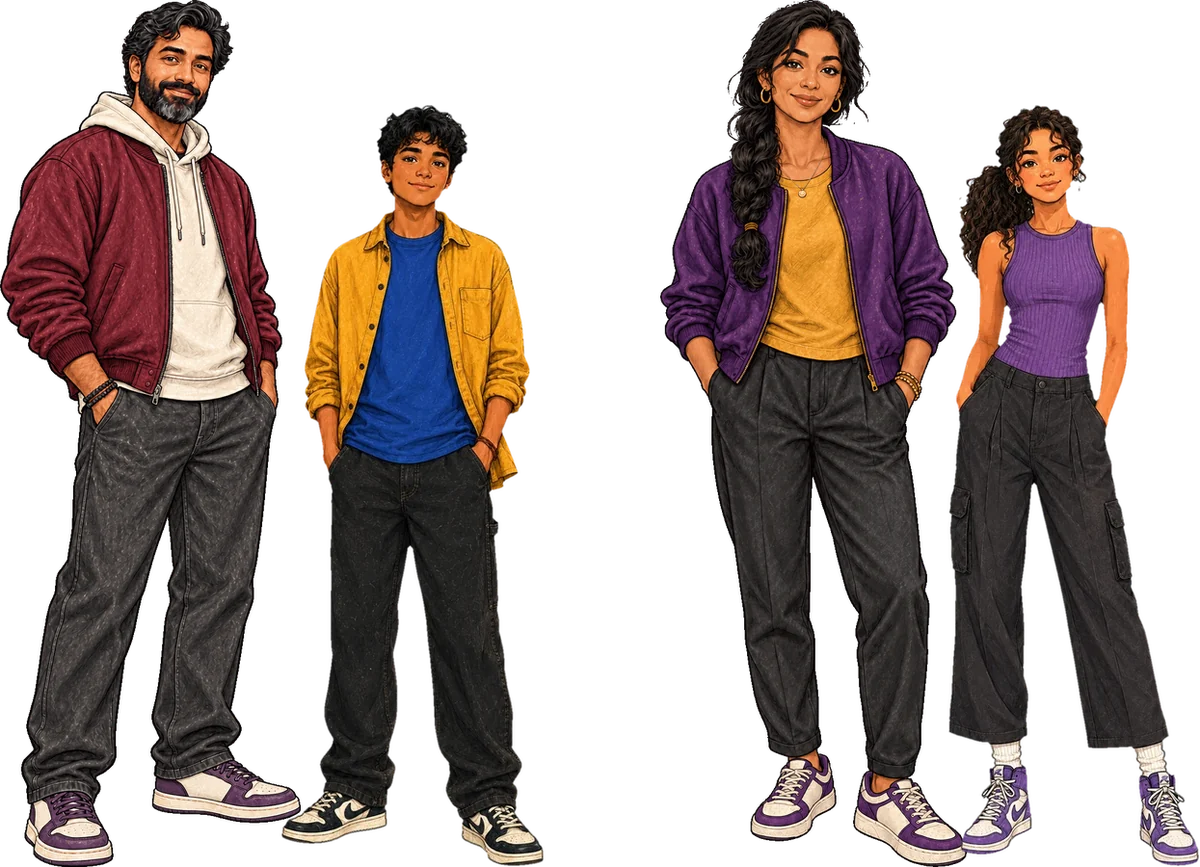
Two decades of meetings where the safe answer won. A playbook written by someone else, followed well. Somewhere along the way the real version of you got quieter.
Grades, feeds, friend groups and now AI all offer a version of them that's easier to wear. They're choosing right now, and they're watching what you chose.
A lot of parents spend the day editing who they are to get through work. By the time they walk in the door, there isn't much left. Teens notice. And when a parent is running on empty, they find someone, or something, else to talk to.
of parents say most days their stress is completely overwhelming. For other adults it's 26%.
U.S. Surgeon General's Advisory on the mental health of parents, 2024of working parents are cautious about even mentioning their kids around colleagues, up from 45% less than two years earlier.
Bright Horizons Modern Family Index, conducted by The Harris Poll, 2025teens who use AI companions have chosen to talk through something serious with the bot instead of a person.
Common Sense Media, 2025So who's ready to help whom?
Are you ready to prepare your teen for a future you can't fully see? Or is your teen, still mostly unedited, better placed to remind you who you were before you learned to fit in? Probably both. A parent who starts reclaiming shows a teen that being yourself is worth protecting. A teen who keeps claiming shows a parent it's still possible. It works best when it happens in the same house.
Read: Parents Were Handed the Same Script →
One method, two starting points. Your teen claims who they are now, as prevention. You reclaim what you set aside, with a parent guide for every act. Same steps, same language, at your kitchen table.
You'll learn the language alongside them, and you'll probably see yourself in more of it than you expect. That's the point. A family that shares the same words can talk about hard things without starting from scratch.

Read on Forbes: The Conviction Crisis That AI Won't Let Us Hide From →
We're planning an in-person Teens UnEdited Summit for September 2027, and parents are part of it.
For generations, the people raising us told us what to do, how to do it and why. Work ran the same way. It kept things orderly, and it taught many of us to edit ourselves to keep the peace. In a world built around what matters to each person, a family can work differently, and come out closer.
"Why? You said you wanted to do it when you came in. What changed?"
The question EJ's mom asked when he started dropping things he loved. "That questioning really made me change the perspective on it and stop editing myself." EJ, 22, Teens UnEdited focus group
The teen and the parent are doing the same thing from opposite ends of the same life. That symmetry is what lets one program repair a family instead of just coaching a kid.
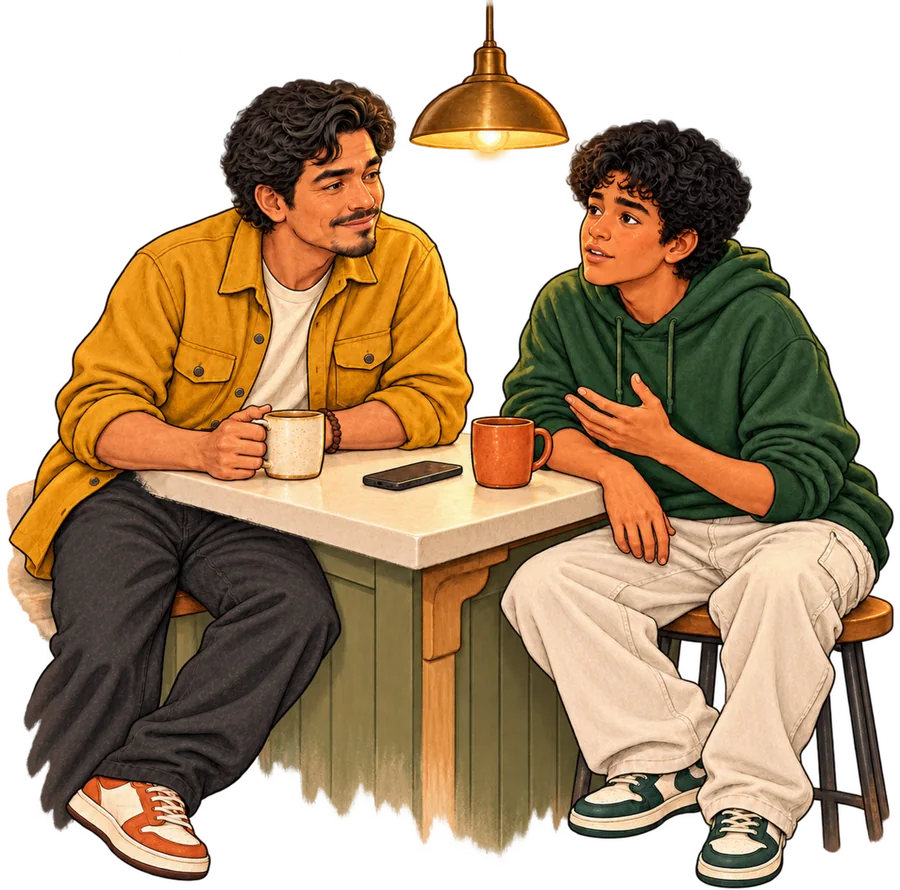
The identity is still forming. Claiming it now, while it is easy, means never having to reclaim it at 45.
The identity already eroded under jobs, roles, and expectations. Reclaiming it is the exact work Glenn spent 20 years doing with leaders, now brought home.
The Unedited Index comes as a pair: the teen takes How Edited Are You?, the parent takes Are You Passing Down the Edit? Each sees only their own result. The parent stops diagnosing and starts reflecting, and the conversation goes horizontal.
The edit is largely handed down. You cannot lecture a teenager into authenticity while performing your own edited self at dinner. When the adult reclaims, the teen gets permission to claim.
Agency, difference, the template, unleashing, reinvention, conviction. Six ideas become words either person can say to the other, kindly, turning two private struggles into one family project.
Every source points to one protective factor: belonging. The newest science adds the parent's part: teens whose parents back their growing independence fare measurably better. The family is the first room, and this re-casts it as the one that sees the real person.
A parent building conviction in front of their kid teaches more than any lecture. A teen watching a parent take on the harder version of the same work is the most persuasive proof it is real.
Read: Raise the Individual, Not the Resume →Read: Room to Roam Is Not Enough →
It usually isn't about the app. It's about where they feel safe being unfinished. A chatbot never sighs, never worries out loud, never brings it up at dinner. The goal is to be a little more like that, and a lot more like a real person who knows them.

52%
of teens say they'd be very comfortable talking with a parent about their mental health.
80%
of parents say the same about talking with their teen.
Pew Research Center, April 2025
"What do you use it for?" works better than checking their history. Then ask what they'd tell a chatbot that they wouldn't tell you.
For schoolwork and hard messages, agree they draft it themselves before asking AI. Compare afterward if they want.
Let a dinner conversation go a round or two without settling it. Friendly pushback is something no chatbot gives them.
Say the unpolished true thing in front of them. Teens learn editing from adults, and they learn the opposite the same way.
See the research behind this →Our stance on AI →Read: The Best Screen-Time Limit Is a Future Self →
Coming in 2027: the online training center, with a parent guide for every act, so you and your teen can work through it side by side. Learn more →
One book for each idea, so the whole family has the same words for it.
keep reading
A few reads for when you have ten minutes and want to see your teen a little differently.

Parents Were Handed the Same Script

Raise the Individual, Not the Resume
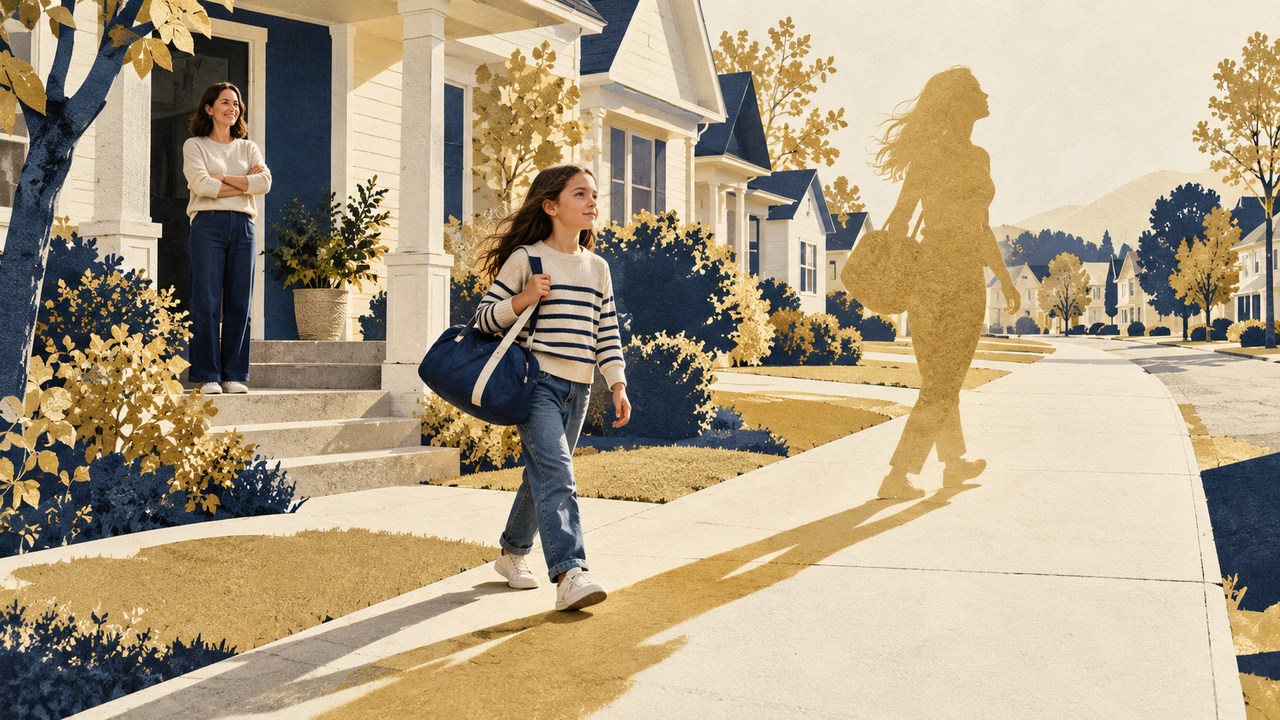
Room to Roam Is Not Enough. Kids Need Room to Be Themselves.
Take yours, have them take theirs. Each result stays private. What you do next is shared.
How we keep teens safe: Safety and Safeguarding →
Bringing this to a whole community? See how it works →